
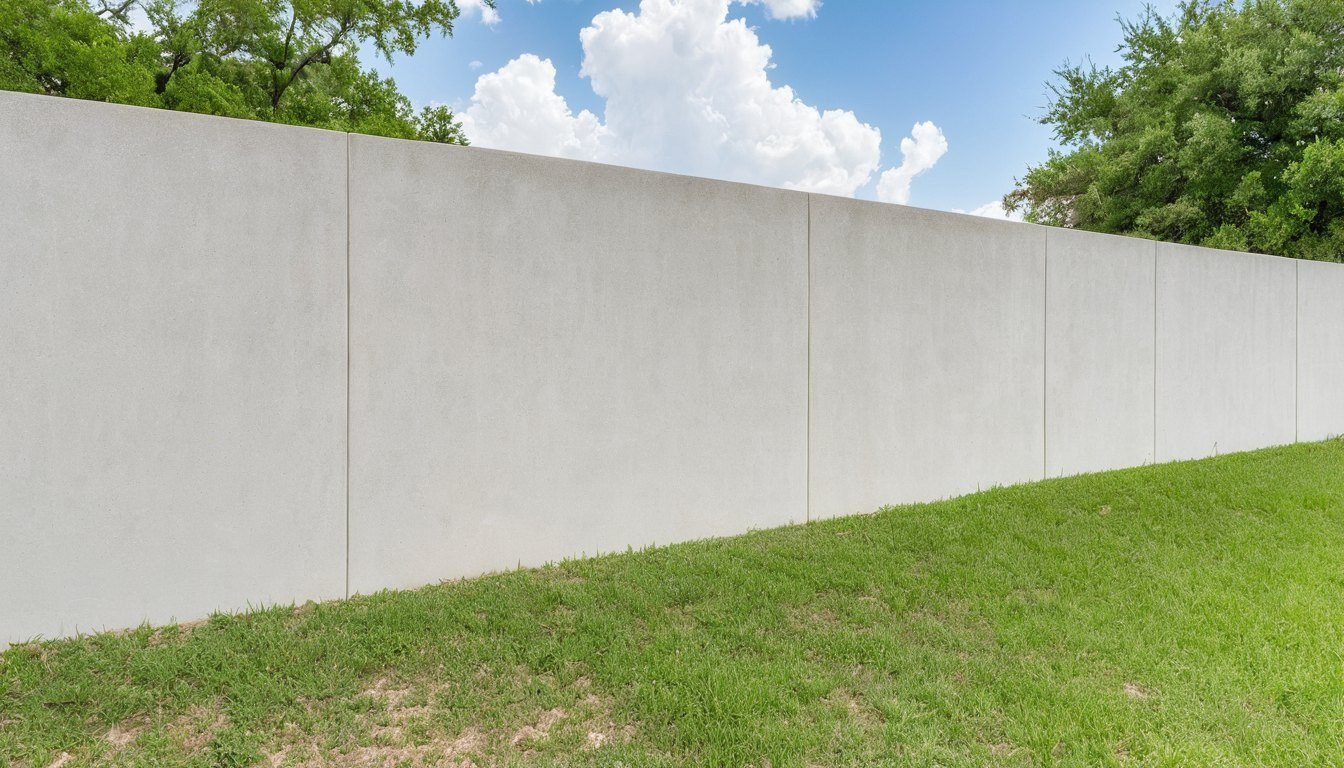
Waco has more hills than people expect. Along the Brazos River, around Lake Waco and on the rolling land north and west of town, yards slope and soil wants to slide. A retaining wall holds that soil in place, turns a steep bank into usable land and keeps water away from your house.
Waco Concrete builds concrete retaining walls in Waco TX for yards, driveways, patios and commercial lots. We are locally owned, we have 8 years in business and we give a free written estimate.
What a concrete retaining wall must do
A retaining wall faces a heavy push from soil and water. A short wall holds a few hundred pounds per foot. A tall wall holds much more. The wall needs a strong footing, steel inside the concrete and drainage behind it.
Water is the biggest enemy. Soil full of water is much heavier, and clay swells as it gets wet. We add gravel and a drain pipe behind the wall so water has a place to go.
- A deep, wide footing
- Steel rebar in the wall and footing
- Gravel backfill and a drain pipe
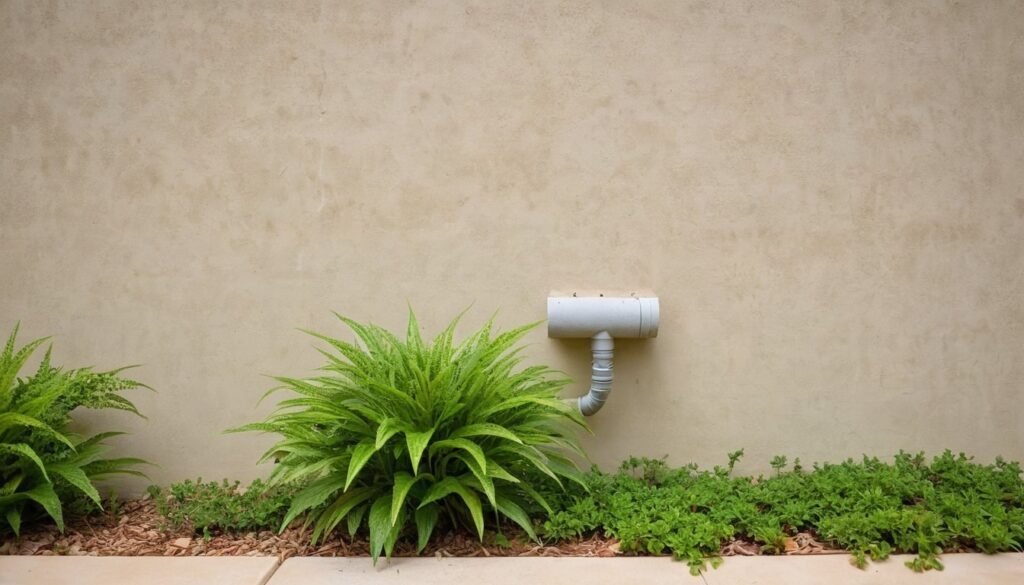
- Weep holes or an outlet for water
Heights, shapes and looks
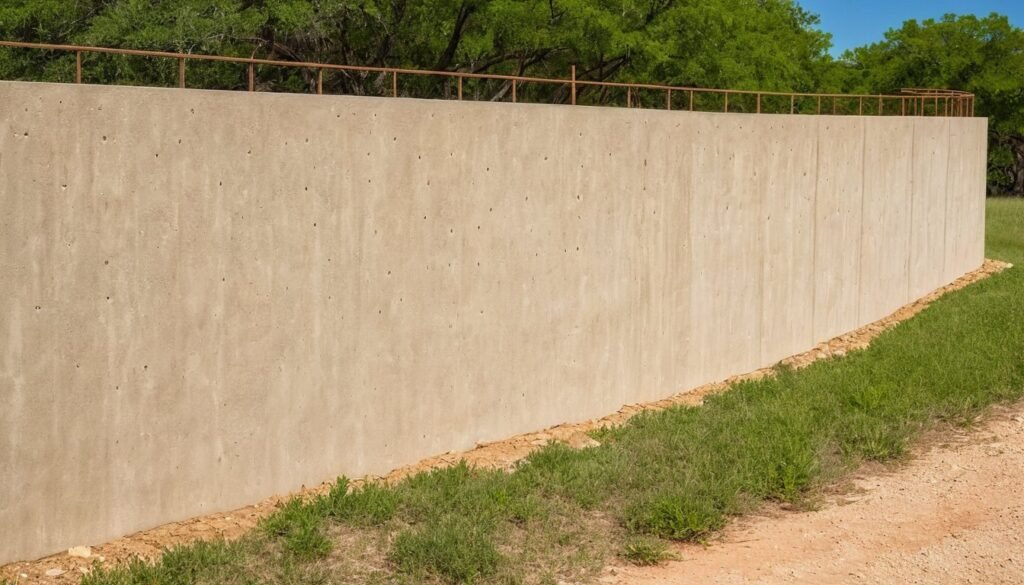
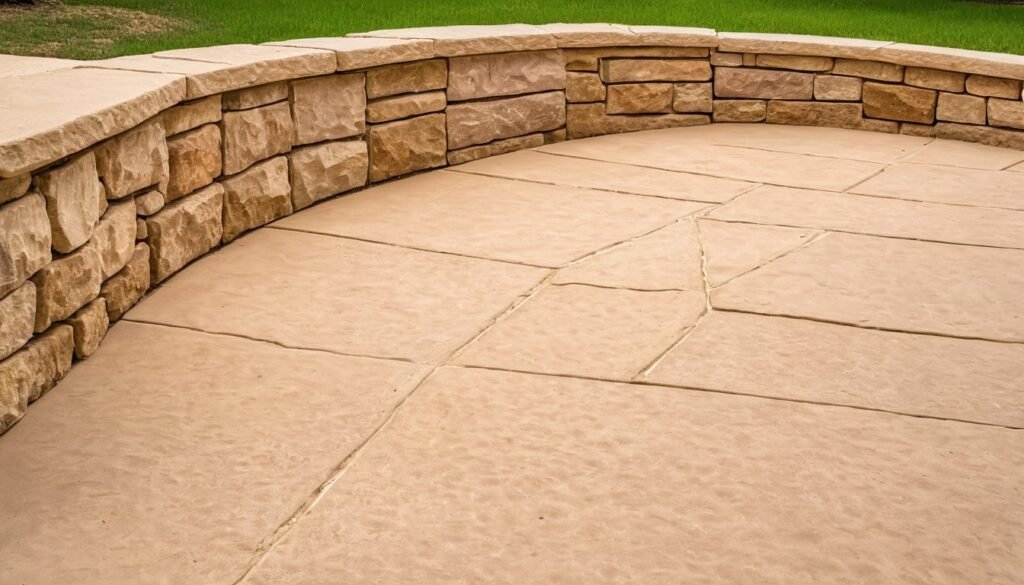
Walls under about four feet are common for yards and patios. Taller walls often need an engineer. A wall can be straight, curved or stepped. The face can be smooth, stamped like stone or covered with veneer.
Walls can also hold a driveway cut, a garden bed or a pool deck. See stamped concrete and decorative concrete for finish ideas.
Building retaining walls on Waco clay
Clay pushes harder than sand when it is wet. We plan for that. We dig below the frost and moisture line, pour a wide footing and compact the soil behind the wall in thin layers. We keep roof water and sprinklers from flooding the area behind it.
Cracks in a retaining wall are a sign that something is wrong. Look at foundation repair and concrete repair for how we handle older walls.
Retaining wall cost, timing and next steps
Price depends on the wall height and length, the footing, the steel, the drainage and the finish. Most small yard walls take several days from dig to cure. We give you a written estimate.
Call us any day from 5 AM to 10 PM or use the contact page. Tell us about the slope and what you want it to do.
Concrete Retaining Walls questions answered
How tall can a concrete retaining wall be without an engineer?
Rules differ by city, but many places require an engineer's design for walls taller than about four feet, measured from the bottom of the footing to the top of the wall. Walls that hold a driveway, a building or a slope above them may need one at any height. Shorter walls in a simple yard are usually fine without one.
We check the local rules before we build. If your wall needs an engineer, we can work with yours or help you find one. It is better to spend a little on design than to rebuild a wall that leans or cracks. We follow the plan exactly and give you a written price based on it.
Drawing a quick sketch helps. Tell us the height, the length and what the concrete retaining walls will hold. Ask for the wall height, the footing size and the drain details in writing, so you can compare each bid on equal terms.
Why do retaining walls crack or lean?
The most common cause is water. Soil behind the wall gets soaked, becomes heavier and pushes harder. In Waco, clay swells when wet and adds even more pressure. Without a drain, the wall can lean, crack or fail. Other causes are a weak footing, missing steel or a wall that is too thin for its height.
Good drainage is the best protection. We add gravel and a perforated pipe behind the wall, plus weep holes or an outlet. We also grade the land above so water flows away from the wall. If your existing wall is leaning, call us early. Small repairs and drainage fixes can sometimes save it.
We always look at where the water goes. Good drainage is the best way to protect concrete retaining walls in Waco TX. We keep the work area tidy during the build, since a retaining wall often sits next to a patio, a fence or a neighbor.
Do concrete retaining walls need drainage?
Yes, always. Water that gets trapped behind a wall adds weight and pressure. A drain keeps the soil from becoming a heavy mud. We place clean gravel behind the wall and lay a perforated pipe at the bottom to carry water out. We wrap the gravel in fabric so soil does not clog it.
We also add weep holes, small openings that let water escape through the wall. Without drainage, even a strong wall can fail. We tell you how we plan to handle water at the estimate and show where it will go. See concrete footings for the base that supports the wall.
Choosing the finish is the fun part. We treat concrete retaining walls as a design feature, not only a structure. A simple sketch with the slope height and the distance to your home helps us give a solid first price before the visit.
Can a retaining wall look nice and not just plain gray?
Yes. Concrete retaining walls can be stamped to look like stone, brick or wood, colored with integral color or stain, or covered in real stone veneer. A smooth wall can have a clean modern look. A curved wall adds interest to a garden or patio.
The finish affects the price, but not the strength. A good looking wall with poor drainage will still fail, so we plan the structure first. Then we choose the finish with you. Samples and photos help you decide. We also think about how the wall looks next to your house, your patio and your landscaping, so it fits the whole yard.
A calm, steady look at your slope will tell us a lot. Concrete retaining walls work best when they match the land. Back fill must be placed in thin layers and compacted, and we do not rush that step because it protects the wall for decades.
How long does a concrete retaining wall last?
A well built concrete wall can last 50 years or more. Its life depends on the footing, the steel, the drainage and the care it gets. Walls that are kept dry behind and protected from cracks last the longest.
Watch for signs of trouble, like cracks that widen, leaning, bulging or water stains. Keep gutters and sprinklers pointed away from the wall. Do not stack heavy loads on top without checking with a builder. If you see damage, call us. We can often repair a small problem before it becomes a big one. See concrete repair for how we fix walls.
Small repairs work best when they come early, and many concrete retaining walls can be saved with the right care. If the soil above the wall holds a driveway or a building, tell us, since that extra load changes the design and the steel. Ask to see the drain plan on paper before the pour.
Can you build a retaining wall next to a driveway or patio?
Yes. Many Waco homes need walls to cut a driveway into a slope or to level a patio. These walls carry extra load from cars or furniture, so they need strong footings and steel. We may add a guard rail or a curb at the top for safety. Drainage is just as important here.
We plan the wall and the slab together, so the two work as one system. Water from the patio or driveway should not flow into the soil behind the wall. We can build the wall, pour the slab and tie the drainage in. See concrete driveways and concrete patios.
We plan every wall with its slab or driveway, so your concrete retaining walls and flatwork work together. A drain outlet that daylights downhill is best, and we plan the pipe, the gravel and the outlet before we set the forms. Share photos of the driveway edge so we can plan the footing correctly.
Ready for a free estimate? Call (254) 233-1766 any day from 5 AM to 10 PM, or use the estimate form. Waco Concrete is locally owned and gives clear written estimates for slabs, patios and driveways.